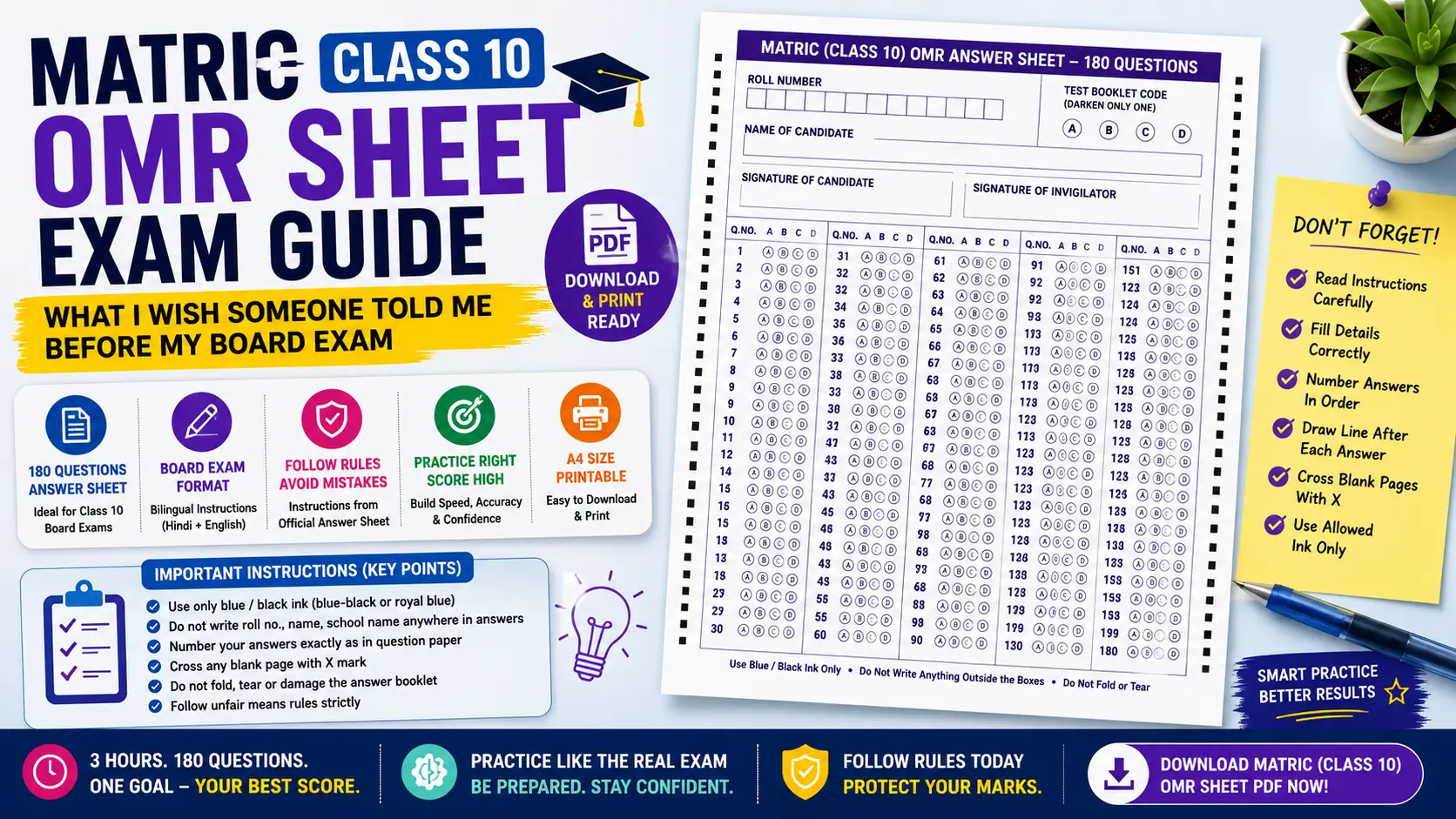
Matric OMR Sheet Class 10 Exam: What I Wish Someone Told Me Before My Board Exam
I still remember the exact moment my hands went cold in the exam hall. The invigilator announced five minutes left, and I had not even folded the rough work margin properly on my answer sheet. That small panic taught me more about board exam OMR sheets than any coaching class ever did.
If you are looking for a Matric OMR sheet Class 10 exam format, you are probably preparing for your actual board exam right now. I went through this exact process, made a few silly mistakes along the way, and I want to walk you through everything so you do not repeat them.
Why the Matric OMR Sheet Feels So Different
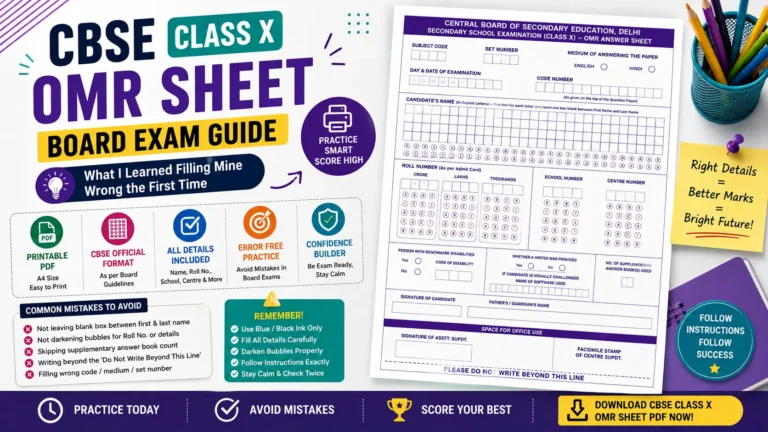
A regular school test OMR sheet is simple. You mark your answer, move to the next question, and that is it. But a real Matric board exam answer sheet, the kind used for Class 10 exams, comes with a full page of instructions that most students never read carefully before the exam.
I remember flipping past that instruction page in my first mock test without reading a single line. Big mistake. That page is not just formality text. It actually tells you exactly how the examiners will treat your answer sheet, and ignoring it can genuinely cost you marks.
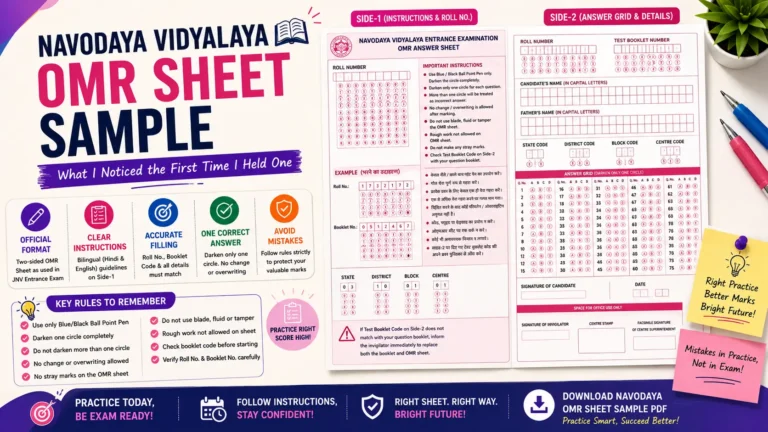
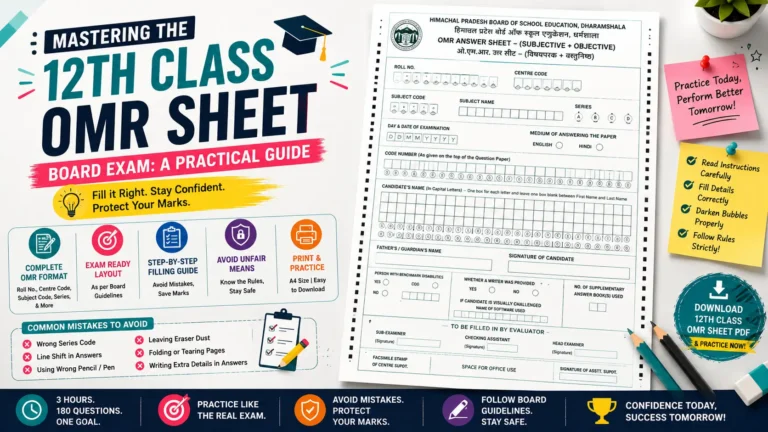
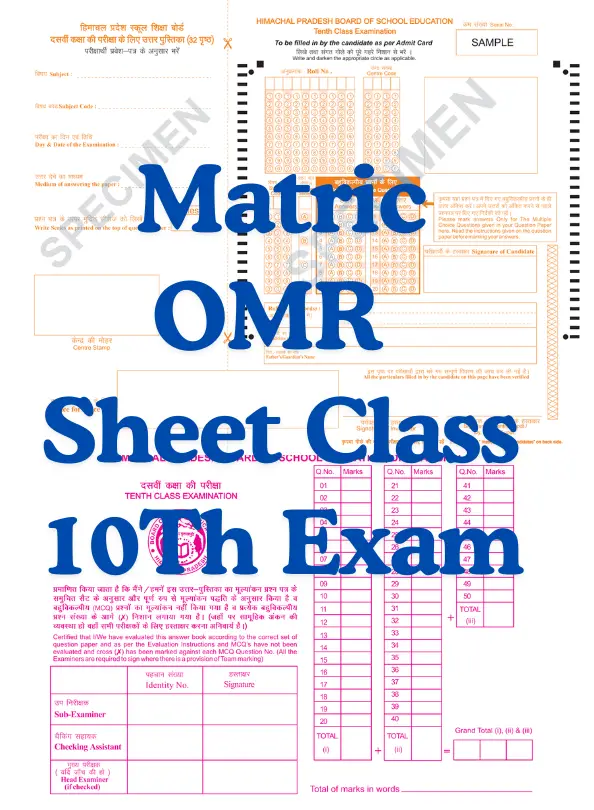
The official Class 10 answer sheet I practiced with has instructions written in both Hindi and English side by side. This matters because many state boards follow this bilingual format, and understanding both versions helps you avoid confusion on the actual exam day.
What the Official Instructions Actually Say
Reading through an actual Matric answer sheet instruction page, a few rules stood out to me as things students genuinely overlook. I am sharing these because they come directly from a real board exam sheet, not a guess.
You are only allowed to use black or blue ink, or in some versions specifically blue-black or royal blue ink. This means that gel pen with the fancy purple ink you love for notes stays at home on exam day. I made this mistake once during a mock test and my invigilator warned me before I even opened my answer book.
Mobile phones and electronic gadgets are strictly banned inside the exam center, and this rule applies to every single candidate without exception. You cannot write your roll number, name, school name, or exam center location anywhere inside your actual answers. I once absentmindedly wrote my school name in the margin during a rushed answer, and my teacher told me examiners are trained to treat this seriously.
Step-by-Step: How I Prepare for a Board Exam OMR Sheet
After my shaky first mock attempt, I built a proper routine before every practice test. This same routine carried me through my actual Class 10 board exam without any last-minute panic.
- I read the full instruction page on the answer sheet at least once, out loud, a day before my mock test.
- I keep two blue or black pens ready, since running out of ink mid-exam is a real risk nobody warns you about.
- I fill my roll number and details only in the space given on the front cover, never anywhere inside the answers.
- I number every answer exactly as it appears in the question paper, without skipping or guessing the sequence.
- I draw a clear line under each completed answer, just like the instructions require, before moving to the next question.
- I cross out any blank page myself using an X mark, instead of leaving it empty and hoping nobody notices.
- I keep a small margin on the right side for rough work, then cut a single line through it once I am done.
- Before time runs out, I check that my answer book is neat, has no torn pages, and every answer is properly numbered.
This routine sounds like a lot of extra steps, but it takes less than two minutes once you get used to it. The peace of mind it gives you during the real exam is completely worth the small effort.
Real Mistakes I Made During Practice
During one full-length mock test, I left a whole page blank because I planned to come back and complete a diagram later. I forgot to cross it out with an X, and my teacher marked it as a rule violation during evaluation. On a real board exam sheet, this exact mistake falls under leaving pages unnecessarily blank, which the instructions specifically warn against.
Another time, I tore a page slightly while trying to erase something with too much force using a sharp eraser. The instructions on a real Matric sheet clearly state you should not tear or fold pages of your answer booklet at all. Torn pages can actually be treated seriously during evaluation, since the sheet becomes part of an official exam record.
I also once used a red pen to underline an important point in my answer, thinking it would catch the examiner’s attention. My teacher immediately corrected me, explaining that only blue or black ink should be used throughout the entire answer sheet. Special marks or unusual pen colors can actually raise questions about the authenticity of your paper.
Understanding the Unfair Means Rules
This part surprised me the most when I first read it properly. The official instructions list very specific situations that count as unfair means, sometimes written as U.M.C. or Unfair-Means Case, on a real board exam sheet. These are not vague warnings, they are exact rules examiners are trained to watch for.
Having exam-related papers, books, or notes with you during the exam counts as unfair means, even if you never actually use them. Giving or receiving any kind of help from another candidate, directly or indirectly, falls under the same category. Writing your answers on any material other than the official answer booklet given to you is also treated the same way.
Taking your answer booklet outside the exam hall, even accidentally, is listed as a serious violation on the actual instruction sheet. So is contacting anyone other than exam staff during the exam, or refusing to allow a search if asked. I know these sound intense, but honestly, once I understood them clearly, exam day felt far less stressful because I knew exactly what to avoid.
Real Example: How This Helped My Friend
A classmate of mine used to write his roll number on his graph paper before attaching it to his answer booklet, thinking it was helpful for the examiner. The instructions actually say the opposite, your roll number should only go on the space provided on the answer sheet itself, never on graph paper or maps. Once he corrected this habit during practice, he stopped worrying about it entirely by the time his real board exam arrived.
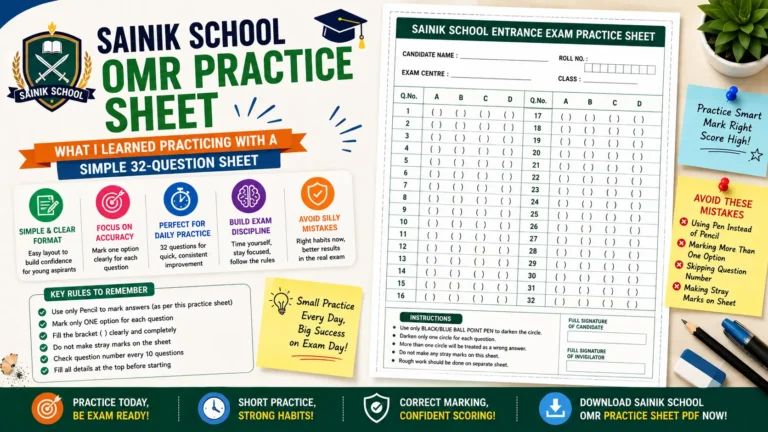
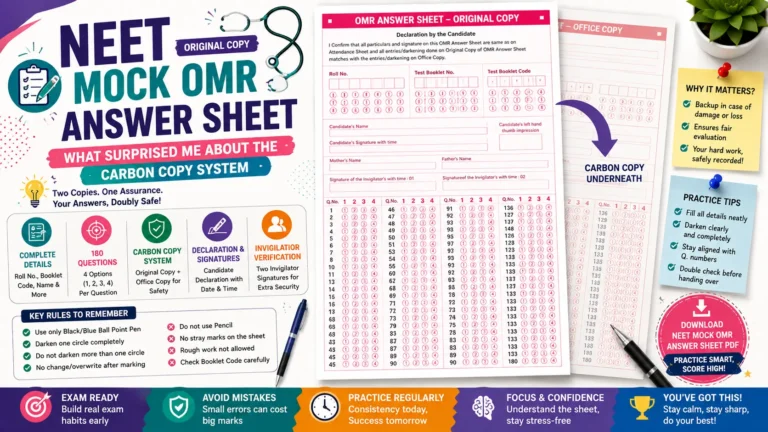
Practicing with an actual Matric OMR sheet Class 10 exam format, instructions included, made a bigger difference for both of us than just solving sample papers. It trained us to treat every practice attempt like the real thing, not just a content revision exercise.
Common Mistakes to Avoid
Based on my own experience and what I have seen among classmates preparing for board exams, these mistakes come up again and again.
- Using a pen color other than blue or black, which goes directly against the official instructions.
- Writing your name, roll number, or school name anywhere inside your actual answers.
- Leaving blank pages without crossing them out with an X mark.
- Folding or tearing pages of the answer booklet, even by accident.
- Forgetting to number answers exactly as they appear in the question paper.
- Not drawing a line after finishing each answer or part of an answer.
Catching even a few of these habits early, during your practice tests, saves you from unnecessary stress on the actual exam day.
Final Thoughts
A Matric OMR sheet Class 10 exam format is not just paper with lines and boxes on it. It comes with a full set of rules that genuinely affect how your paper gets evaluated, and most students only discover this the hard way, like I did. Reading through the actual instructions once, calmly, before your real exam saves you from small mistakes that have nothing to do with how well you know the subject.
Practice with a proper board-style answer sheet, follow the instructions exactly as written, and treat every mock test like your real exam day. By the time you walk into your actual Class 10 board exam, filling out the details and following the rules will feel completely automatic, leaving your full focus for the questions that actually matter.